
'Replaying the Tape' performance at Wytham Woods - 21 June
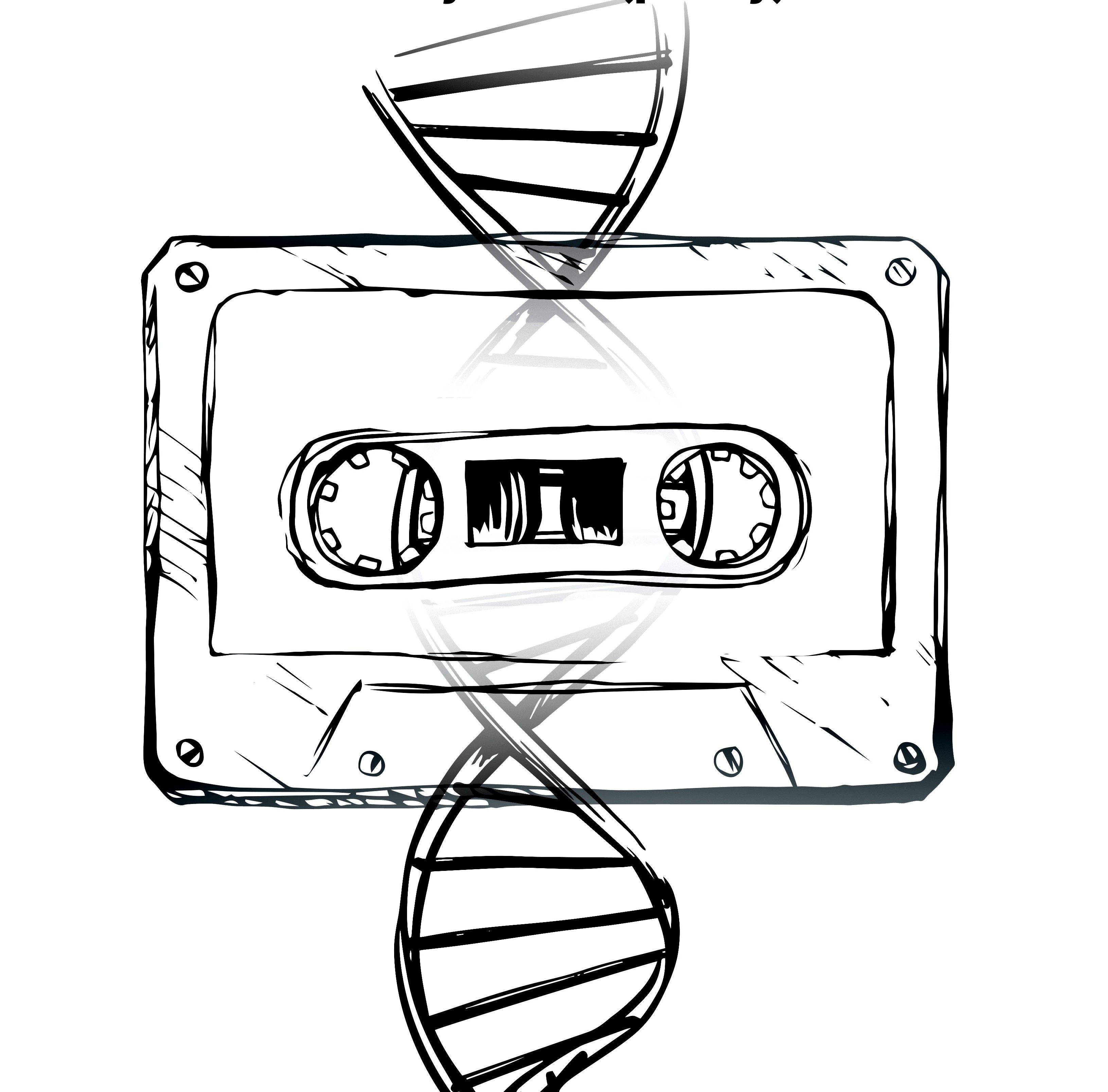
Please note that due to unforeseen circumstances, this event has now been cancelled.
"Replay the tape a million times… and I doubt that anything like Homo sapiens would ever evolve again." - Stephen Jay Gould
If we could go back to the dawn of life and start again, how much would change the second time around?
And what astonishing creatures might have replaced those we know today if the evolutionary dice had fallen just a little differently?
A live performance of 'Replaying the Tape' at Wytham Woods on Friday 21 June will combine spoken word, live percussion and electronic tape track to conjure an imaginative menagerie of the Earth's early animals and explore the fascinating role of chance, both in evolution itself and in the stories of these creatures' discovery.
The project is a collaboration between Penny Boxall, Wytham Woods Writer in Residence, composer-percussionist Jane Boxall and Oxford University palaeontologist Dr Frankie Dunn.
The performance will take place in the woods behind the Wytham Chalet, from 7.30pm to 9.15pm. Tickets cost £10 from the University's online shop.
It will begin with a short talk from Dr Dunn about her research into the origins of animal life and the bizarre early organisms that became evolutionary dead ends, often seemingly through bad luck alone.
It follows another performance of 'Replaying the Tape' the previous night at the Museum of Natural History.
Contact us
- oge@admin.ox.ac.uk
- 01865 614460