
What can 22,000 trees tell us about the future of our forests? Quite a lot, when you count them one by one.
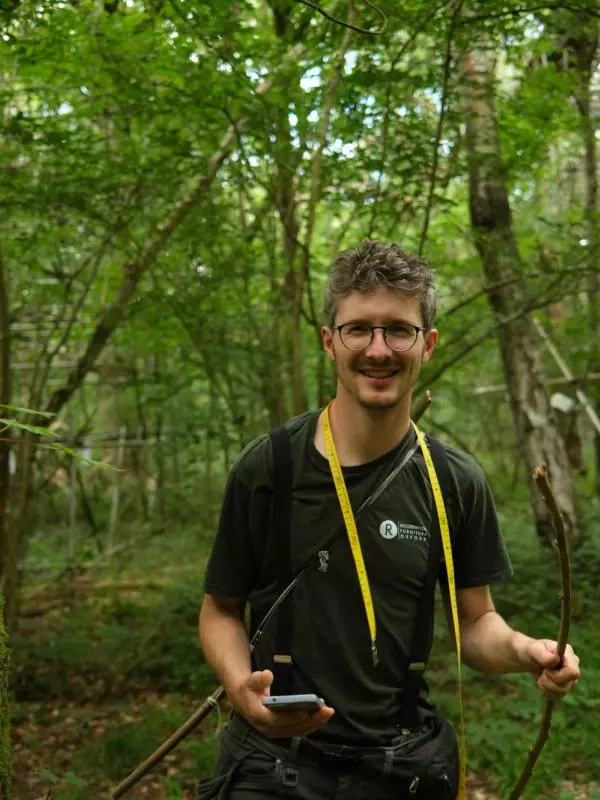
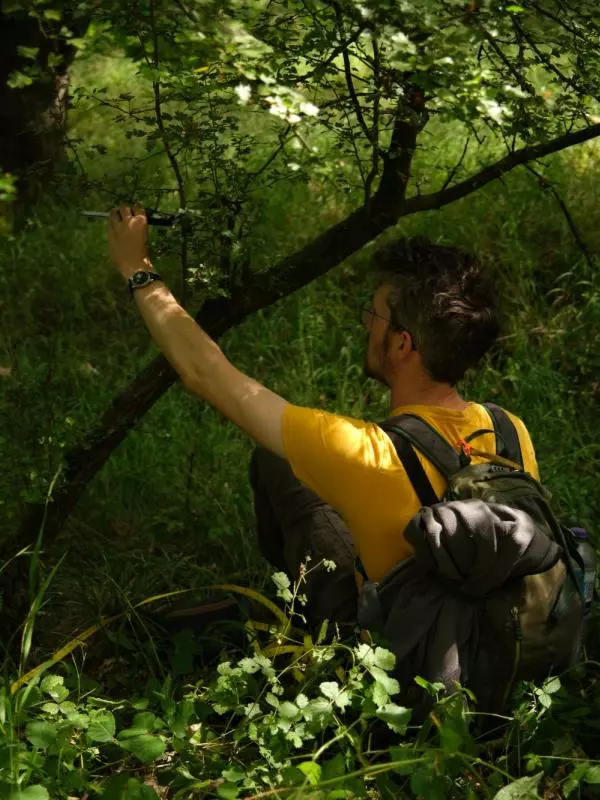
For nine weeks this summer, a team of researchers from Oxford Ecosystems was hard at work among the trees at Wytham Woods, carrying out one of Oxford’s most ambitious long-term ecological surveys.
The result? Around 22,000 individual trees recorded across an 18-hectare research plot – the latest chapter in a remarkable scientific record stretching back decades.
The work forms part of the fifth tree census at Wytham Woods, with censuses taking place every five years. The permanent plot was established in 2008 and is part of the Smithsonian Institution’s Forest Global Earth Observatory (ForestGEO), a global network using standardised methods to understand how forests are changing.
A forest that tells a story
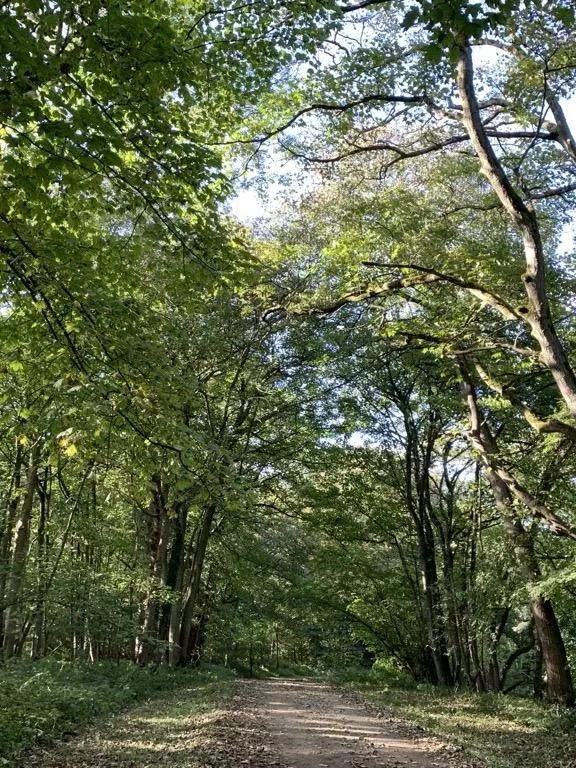
Wytham Woods is much more than a beautiful place to walk. Owned and managed by the University, it is a living laboratory where generations of researchers have studied trees, birds, mammals and the wider forest ecosystem.
That long-term perspective is what makes the tree census so valuable.
Rather than taking a snapshot of the woodland, researchers can compare measurements from one census with those taken five, ten or more years earlier. This helps reveal how individual trees and the forest as a whole are changing over time.
And the timing of this latest census is particularly significant.
Ash dieback is continuing to reshape the woodland, while increasingly dry conditions are highlighting the pressures that forests may face more frequently in the future. Long-term datasets such as Wytham’s give researchers the evidence they need to understand these changes and consider what they might mean for forests in the years ahead.
Why does this matter beyond Wytham?
The census is a great example of Oxford’s estate functioning as a living laboratory.
The University’s environmental ambitions extend beyond reducing carbon emissions. Oxford has committed to becoming nature positive by 2035, including enhancing biodiversity across its estate and achieving 20% Biodiversity Net Gain on new developments.
Research at Wytham Woods helps us understand what is happening to ecosystems in the real world – and provides knowledge that can inform how we protect, restore and manage nature elsewhere.
The University’s Estate Strategy also recognises the importance of conserving its natural environment and green spaces, alongside its buildings and infrastructure.
In that sense, every tree counted at Wytham is part of a much bigger picture: understanding the University’s natural assets and making better decisions about their future.
A huge task, one tree at a time
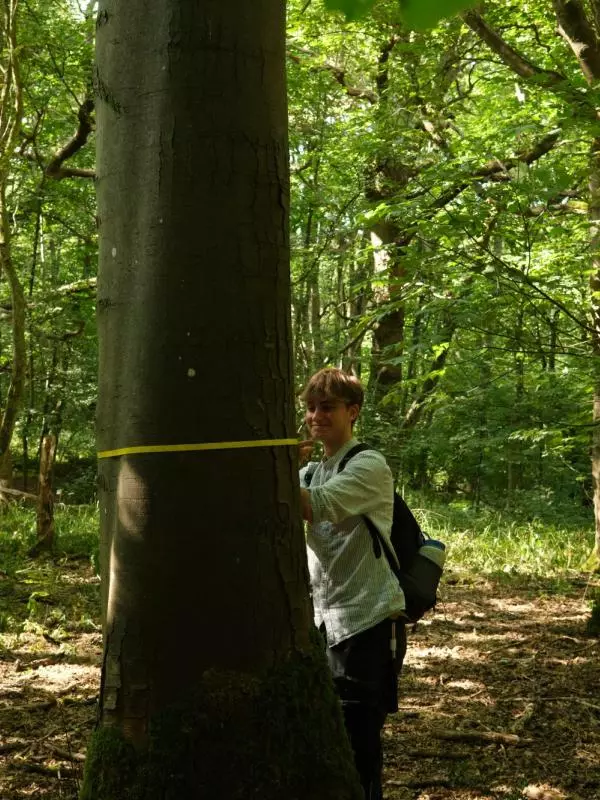
Behind the headline figure of 22,000 trees is an enormous amount of careful fieldwork.
The census team spent nine weeks working through the woodland, building on the measurements and records collected during previous surveys. Six scientists were involved in the latest census.
It is painstaking work, but that consistency is precisely what makes the resulting data so powerful.
Year after year, census after census, Wytham Woods becomes a more detailed record of how a living forest responds to disease, weather, climate and other environmental pressures.
And that makes it valuable not just to today's researchers, but to those who will study the woodland decades from now.
Oxford’s natural research estate
Wytham Woods is one of the University’s most important natural assets – and one of the clearest examples of how Oxford’s estate supports research as well as teaching and everyday University life.
The fifth tree census is another reminder that understanding and protecting biodiversity starts with understanding what we already have.
22,000 trees. Nine weeks. One forest. And decades of data helping Oxford understand what the future might hold.