
If you go down to the woods today...
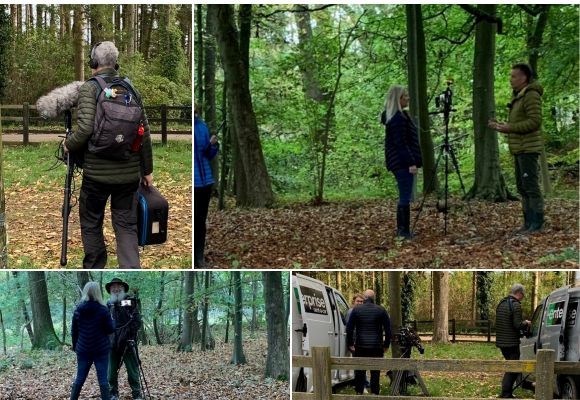
OK, so not today, but if you'd visited our colleagues at Wytham Woods a couple of weeks ago, you'd have found them hosting the BBC Autumnwatch team! Presenter Chris Packham broadcast live from the woods, the perfect spot to delve into the wildlife, science and beauty of the season.
The badgers of Wytham were Chris' first woodland A-lister. The BBC team used thermal cameras poised to capture footage of them leaving the sett at dusk, and Chris investigated how their diet changes at this time of year to make the most of the seasonal offerings.
Chris also explored the mental health benefits of being in an autumnal woodland and why it's worth taking the time to stop and notice the hidden treasures. And as the series aired over Halloween, Chris explored why some of our favourite woodland animals have become synonymous with the season. As creatures like bats, owls, corvids and toads, have become firmly written into our folklore, he rooted out the origins of each story.
Chris Packham said: "Autumn is one of the most magical phases in our seasonal calendar. It may feel like things are shutting down but far from it. It's a time for nature to recycle and prepare. Those rich autumn colours are a sign of nature at its very best and I'm excited to be telling the stories of the season in one of my favourite woodlands in the UK."
Well done to the Woods team on what will have been a busy time for all!
You can catch up with this year's episodes of Autumnwatch on the BBC iPlayer.
Contact us
- oge@admin.ox.ac.uk
- 01865 614460